
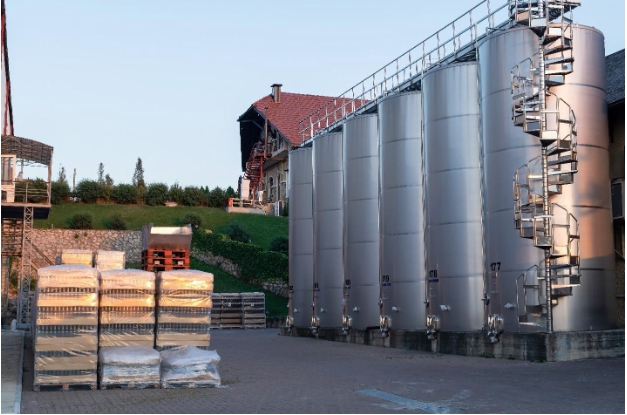
Massive production facilities are, in turn, reliant on a stable and consistent fuel supply to allow the equipment, vehicles, and systems to operate as long as possible. Some of the industries, such as construction, agriculture, mining, and logistics, tend to use large amounts of fuel, and manual refuelling is both ineffective and dangerous.
Fuel shortages may cause delays, which in turn may result in missed deadlines and high operational costs. The bulk fuel delivery is necessary here. It can assist in making operations easier, less time-consuming, and more efficient by delivering fuel to your location in large amounts.
The knowledge of the bulk fuel delivery process can assist companies in ensuring a constant performance and preventing expensive setbacks.
How Bulk Fuel Delivery Works
Bulk fuel delivery is a service which involves the supply of vast amounts of fuel to a place of business or storage. Companies also buy fuel in large quantities, which they store in tanks at their location, as opposed to having small amounts of fuel.
The process is carried out by determining your fuel requirements according to your consumption, equipment and operational size. Upon clarification of requirements, a schedule of deliveries is established. Special tanker trucks carry the fuel, which is delivered directly to storage tanks on-site.
Industries Using Bulk Fuel Delivery
Most industries are highly fuel-consuming industries, and thus, they require bulk fuel delivery.
- It is used in construction and mining companies as a source of power to heavy machinery, such as excavators, loaders and cranes.
- It is used in agriculture in the form of tractors, irrigation, and harvesting equipment.
- It is also used in manufacturing plants in the form of generators and production equipment.
Storage and Fuel Management
The bulk fuel delivery includes proper storage. Companies usually have huge storage tanks that are used to store fuel safely.
These tanks must be of a safety standard and have their regular inspection to avoid any leakage or contamination. Correct fuel management systems are also in a position to monitor usage and maximize delivery timetables.
Safety and Environmental Issues
The handling of large volumes of fuel should be done with a lot of attention to safety and environmentally friendly practices. Bulk fuel delivery providers in the profession adhere to laws and have safe transportation and storage.
This involves the use of qualified equipment and personnel, and the prevention of spills. Selecting a provider that prioritizes safety benefits the reduction of risk factors and streamlines operations.
Selecting the Right Bulk Fuel Delivery Provider
Choosing the appropriate provider can make a big difference in the effectiveness of your operations.
- Find a company that has high reliability and punctuality. Stability is essential to large-scale activities that cannot tolerate any delays.
- Clearly, transparent pricing and the possibility of adapting the delivery are also significant. An excellent supplier is one that will fit into your timetable and adapt to your shifting fuel requirements.
- One should not ignore customer support and communication. A responsive provider will be able to respond promptly and guarantee that the supply of fuel is not disrupted.