
Buying a stove is only the beginning of the learning process. Many new users quickly discover that firewood behaves differently depending on moisture content, log size, airflow, storage conditions, and how the appliance is loaded. What looks simple from the outside can involve a surprising amount of judgement once the stove becomes part of everyday life. The good news is that most of these lessons are practical. After a few weeks of observation, homeowners usually become much more confident about choosing fuel, lighting fires, and managing heat more consistently.
Dry Wood Matters More Than Expected
One of the first lessons many new stove owners learn is how much moisture affects performance. A log may look perfectly usable but still contain enough moisture to make lighting more difficult. Damp fuel can burn slowly, create more smoke, and produce less useful heat.
This is why fuel condition matters just as much as quantity.
New users often improve their results simply by paying closer attention to how logs have been dried and stored before they reach the stove.
Bigger Logs Are Not Always Better
It can be tempting to assume that larger logs will automatically give a better fire. In reality, very large pieces may take longer to catch, especially when the stove is still warming up. Smaller pieces are usually more useful during the early stages, while larger logs become more effective once a strong bed of embers has developed. Learning to use different sizes at different stages can make lighting much easier.
It can also reduce the temptation to keep adding fuel when the real issue is that the fire has not yet established properly.
Air Controls Take Time to Understand
Stove controls can appear straightforward, but new owners often need time to learn how their particular appliance responds. Leaving the air supply fully open for too long can cause fuel to burn quickly, while reducing it too soon can weaken the fire. The correct balance depends on the stage of the burn and the stove design.
Small adjustments are usually more useful than large changes.
Following the manufacturer’s guidance and observing the flame can help users understand what works best without constantly interfering with the fire.
Storage Becomes Part of the Routine
Before owning a stove, some homeowners think mainly about where to place the appliance rather than where to keep the fuel. That changes quickly once regular deliveries begin.
Logs need a dry, ventilated place, enough room for sensible stacking, and a route that makes carrying them indoors manageable. Poor storage can turn otherwise useful fuel into a problem. Many first-time users soon realise that a well-organised log store is almost as important to the heating routine as the stove itself.
Pellet Fuel Requires Different Handling
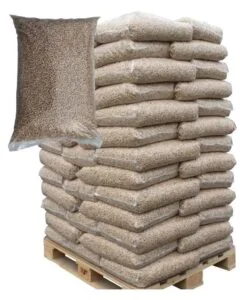
Households that also use suitable systems with wood pellets may discover that pellet fuel needs a different approach. Pellets are compact and easy to stack, but they are particularly vulnerable to moisture. Bags that become damp can deteriorate quickly, causing the pellets to swell or break apart.
This means a dry indoor or well-protected storage area is important. New users should avoid assuming that a location suitable for logs will automatically be suitable for pellet bags as well.
More Fuel Does Not Mean Better Heating
Another common discovery is that adding extra wood does not always improve comfort. An overloaded stove can become difficult to control and may produce more heat than the room actually needs. In smaller spaces, this can make the room uncomfortable rather than cosy.
A steadier fire with fewer logs may be more effective. New stove owners often become better at judging the right amount once they stop focusing on flame size and start paying attention to room temperature and burn duration.
The Final Reload Is Often Unnecessary
Late-evening fuel use is another area where experience makes a difference. When flames begin to reduce, beginners may assume another log is needed immediately. If the room is already warm and bedtime is close, that extra fuel may add little practical value.
The ember bed can continue producing heat for some time.
Learning when not to reload is just as useful as learning when to add more wood. Over a full winter, this can reduce unnecessary consumption.
Routine Makes Everything Easier
The first few weeks can involve trial and error, but stove use usually becomes much simpler once a routine develops. Keeping kindling ready, bringing in a small indoor supply, checking fuel levels regularly, and cleaning the stove as recommended can remove much of the uncertainty.
The goal is not to manage every fire perfectly. It is to build a set of habits that make the appliance predictable, convenient, and suitable for the household’s actual heating needs.
Conclusion
First-time stove ownership comes with a learning curve, but most of the important lessons are straightforward. Dry fuel, suitable log sizes, sensible airflow, organised storage, and restrained refuelling can all improve the experience quickly. By observing how the stove responds rather than relying on assumptions, new users can develop a routine that feels natural and efficient. Over time, this makes wood heating easier to manage, more comfortable to live with, and far less dependent on trial and error.